Trishiks Engineers and Constructions Private limited

Design Optimization
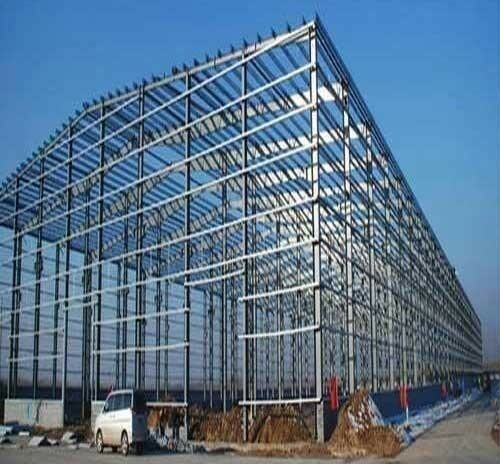
Structural components are designed using advanced software to optimize material usage while maintaining strength and safety.
Prefabrication
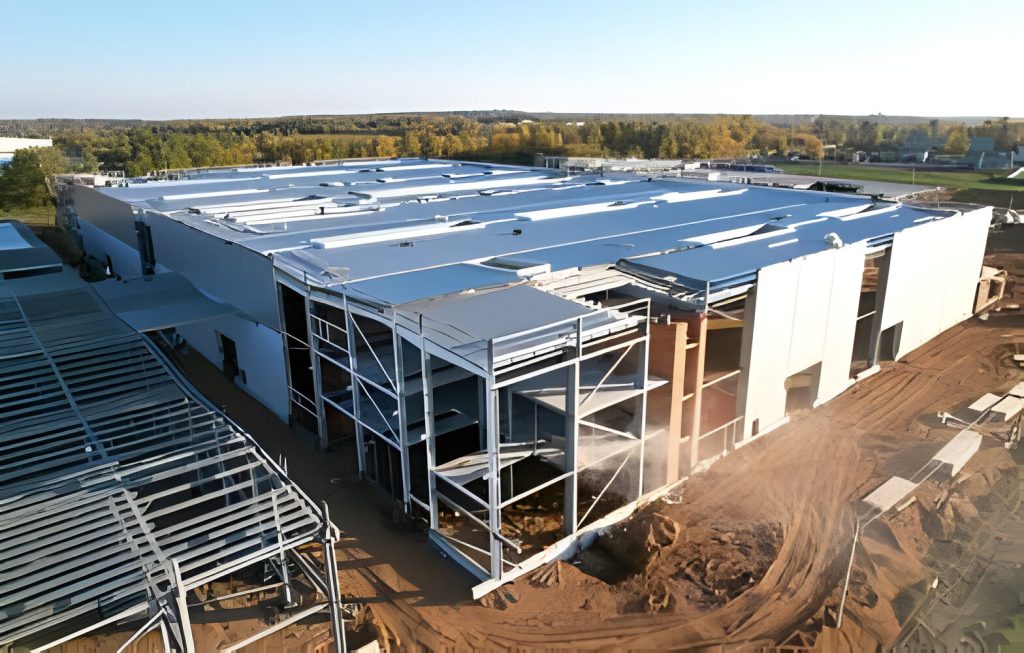
Beams, columns, and panels are manufactured in controlled factory environments for consistent quality and efficiency.
Customization
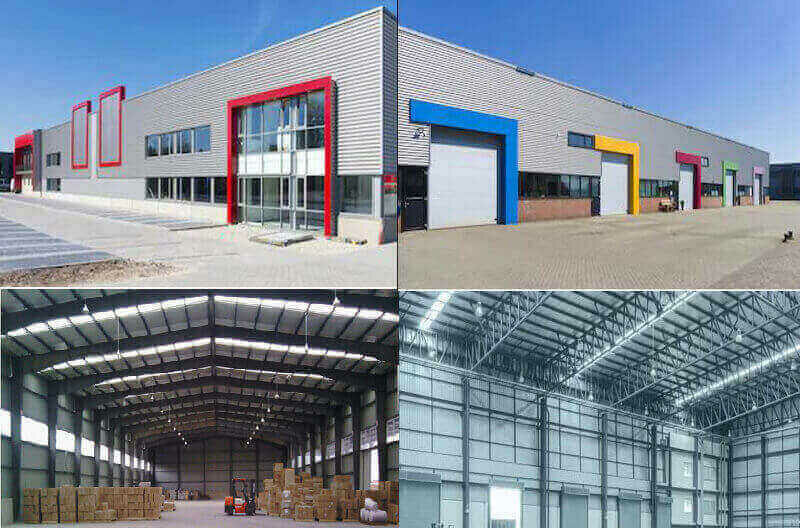
Buildings are tailored to specific dimensions, loads, and functional requirements, ensuring they meet unique client needs.
Ease of Construction
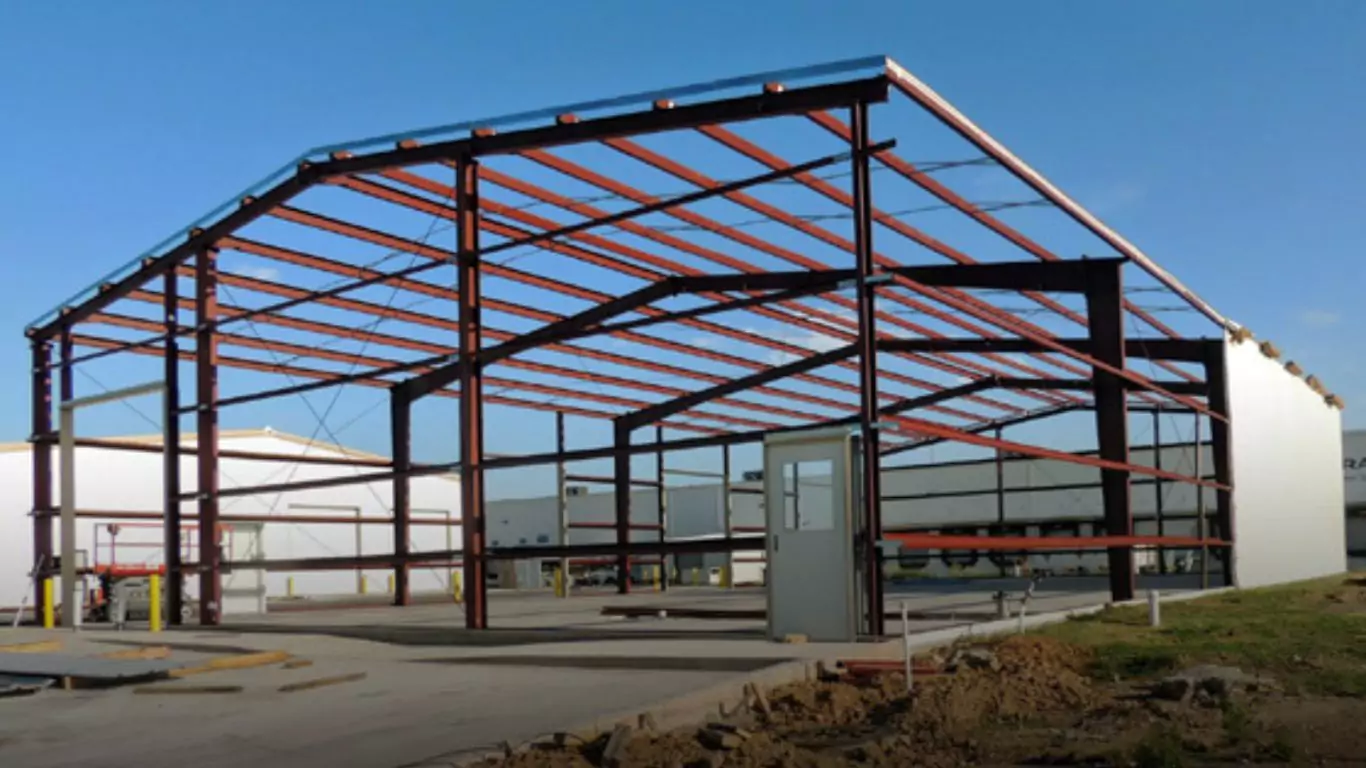
Lightweight components are bolted together on-site, enabling faster and more efficient construction processes.

Durability
High-grade steel and protective coatings offer resistance to corrosion, weather conditions, and pests.

Cost-Effectiveness
Reduces material wastage, labor costs, and construction time, leading to significant savings in overall project expenses.
Sustainability and Green Building Practices
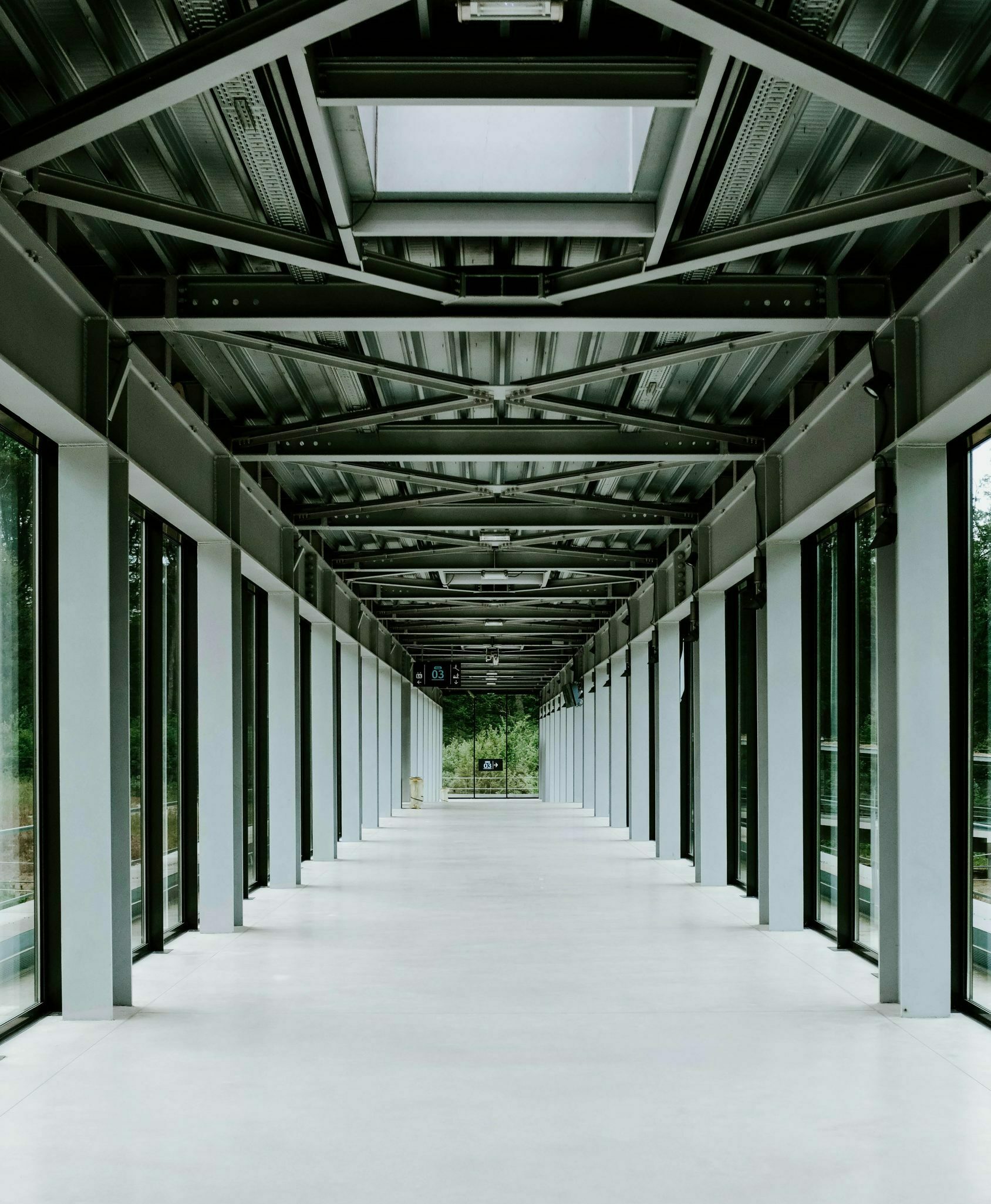
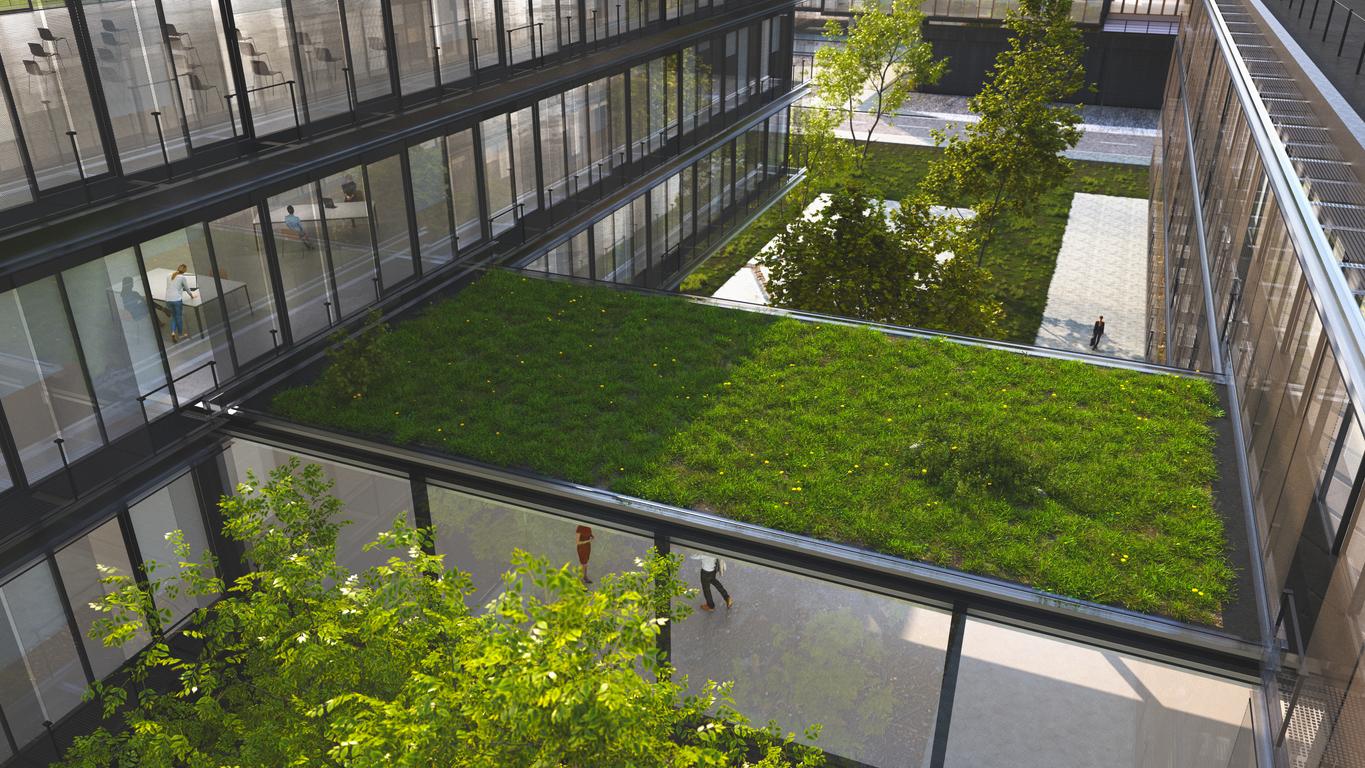
Recyclable Materials: Steel, the primary material in PEBs, is highly recyclable and aligns with global sustainability goals. Energy Efficiency: Use of insulated panels and reflective roofing reduces energy consumption. Integration of energy-efficient systems such as solar panels and LED lighting. Green Certifications: Future PEB projects may comply with standards like LEED (Leadership in Energy and Environmental Design) and BREEAM (Building Research Establishment Environmental Assessment Method).

Digital Transformation and Smart Technologies
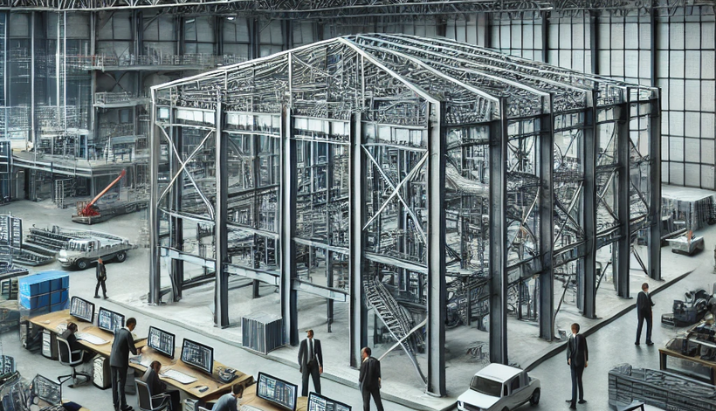
Building Information Modeling (BIM): PEB design and construction will increasingly use BIM for accurate 3D modeling, clash detection, and project optimization. BIM facilitates real-time collaboration between architects, engineers, and contractors. IoT Integration: Sensors embedded in PEBs to monitor structural health, energy consumption, and environmental conditions. Smart PEBs will enable predictive maintenance and advanced building management.
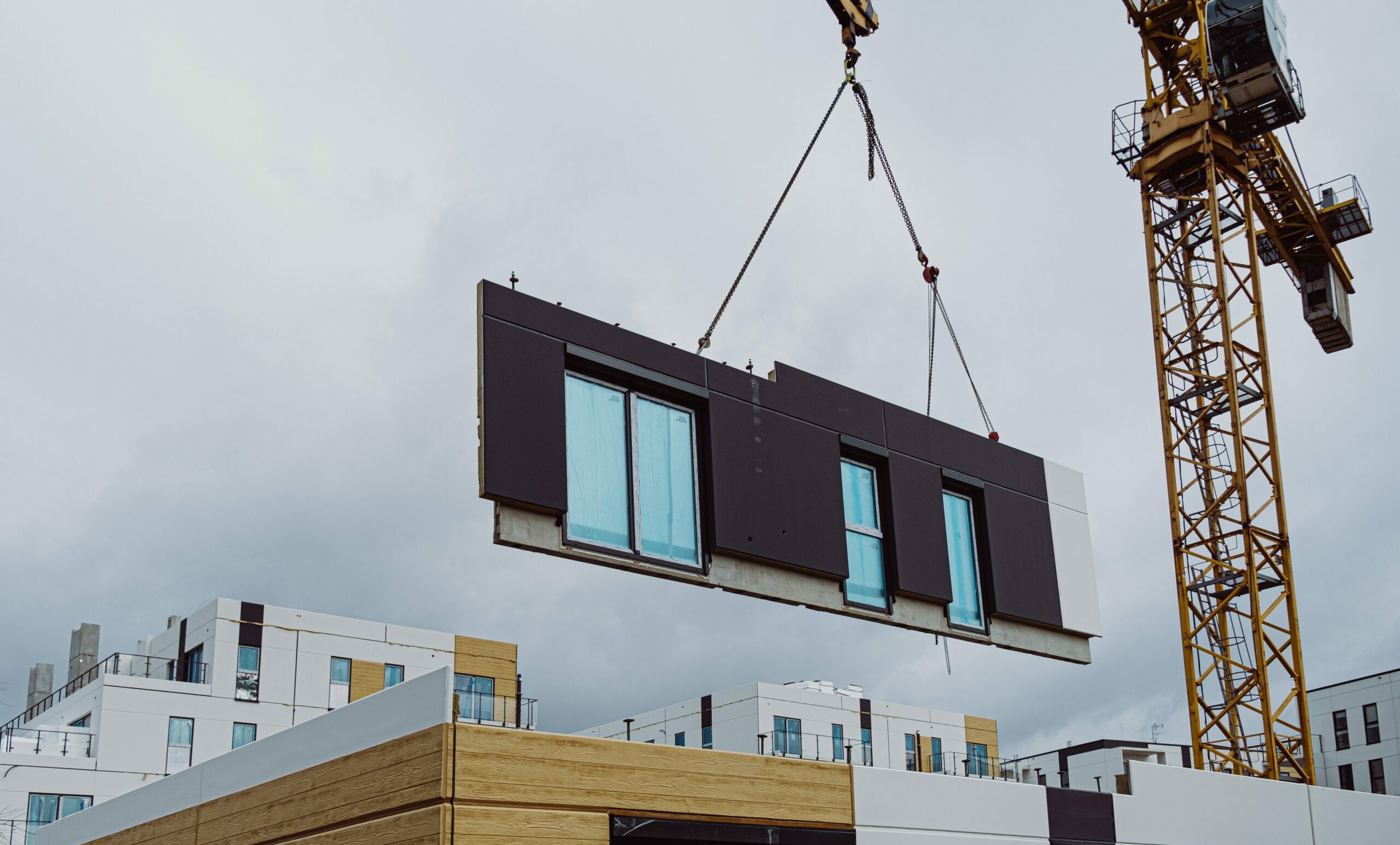
Modular and Hybrid Construction
Modular PEBs: Entire sections of PEBs are built off-site and assembled on-site, minimizing construction time and disruption. Hybrid Structures: Combining PEBs with traditional materials like concrete enhances durability and functionality, especially for multi-story buildings, office complexes, and commercial spaces.
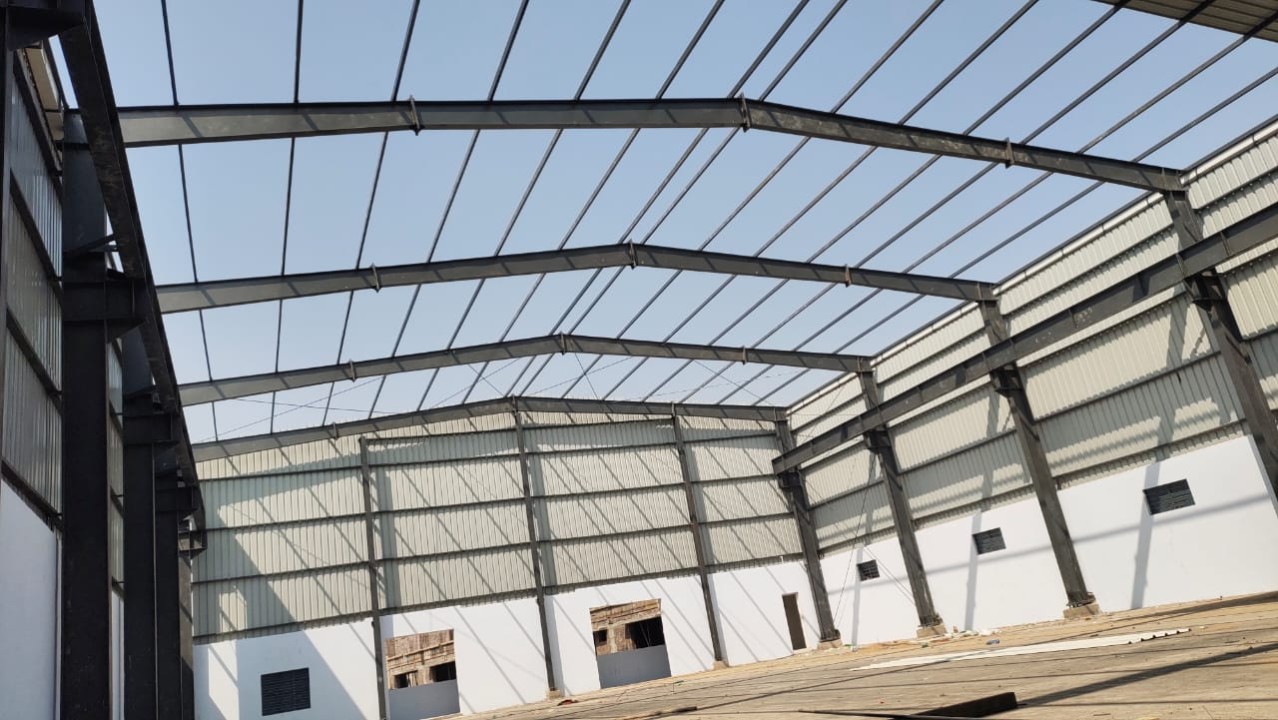
Advanced Manufacturing Techniques
Automation and Robotics: Automated fabrication processes improve precision and speed. Robotics are used for welding, cutting, and assembling components in factories. 3D Printing: Emerging 3D printing technologies allow for complex, lightweight, and sustainable PEB components.
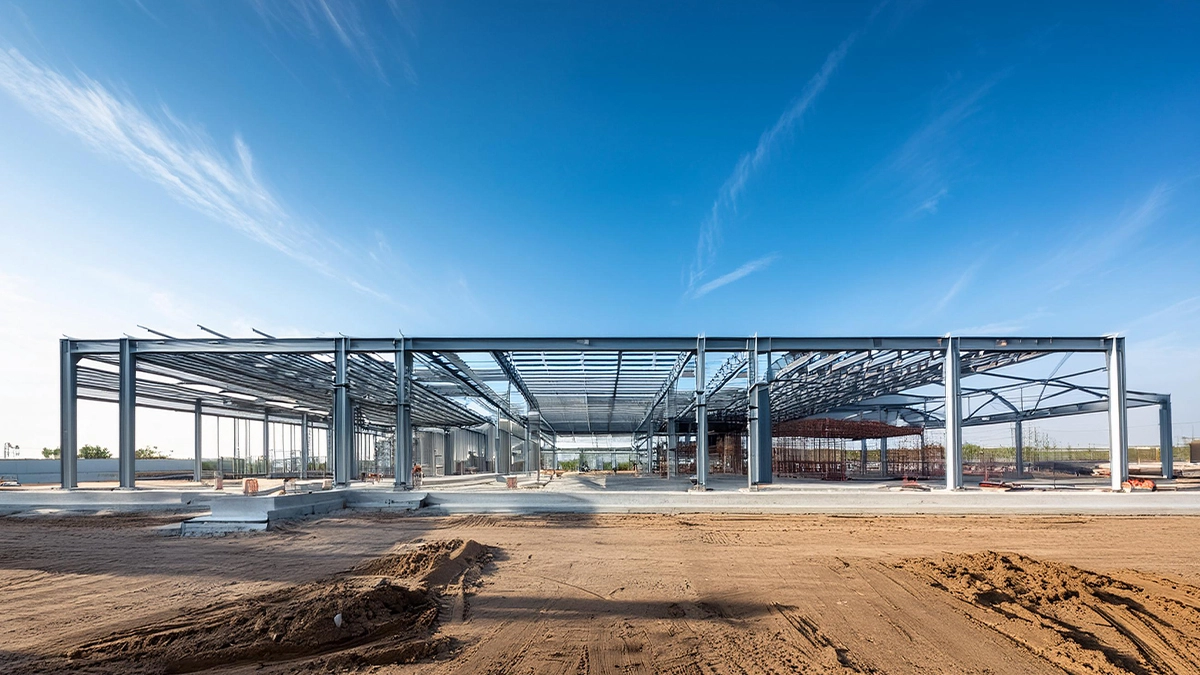
Expansion into New Sectors
Commercial Spaces: PEBs are increasingly used for malls, offices, and multi-story retail buildings due to their versatility. Residential Applications: Rising urbanization and housing shortages drive PEB adoption in affordable and luxury housing. Specialized Infrastructure: Applications in healthcare (modular hospitals), educational institutions, sports complexes, and data centers.
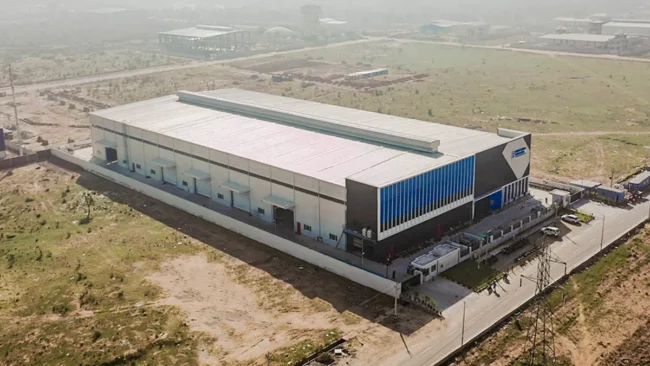
Global Market Growth
Emerging Markets: Rapid industrialization and urbanization in Asia-Pacific, Africa, and Latin America will boost PEB demand. Government Initiatives: Infrastructure development programs like India’s "Make in India" and China’s Belt and Road Initiative encourage PEB adoption. Increased Investment: Investors recognize PEBs’ potential to address global infrastructure challenges.
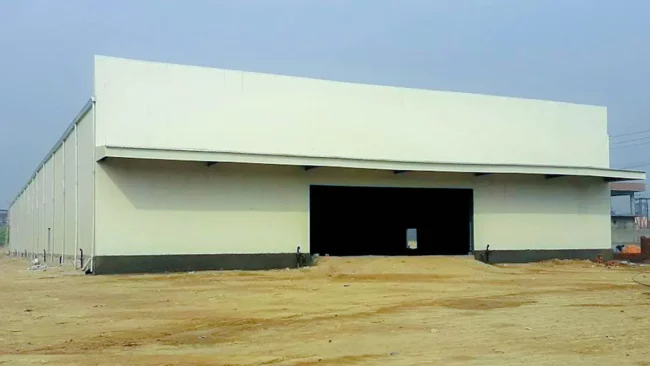
Customization and Aesthetic Improvements
Improved Designs: Future PEBs will focus on aesthetics with innovative facades, finishes, and architectural elements. Customization Options: Bespoke designs tailored to specific client needs will become more common.
Focus on Speed and Cost-Effectiveness
Faster Construction: Advanced erection techniques and pre-assembled components will further reduce on-site construction time. Cost Optimization: Mass production of components and efficient design software will lower overall costs.

Pre-Erection Preparations
Site Inspection and Preparation: Verify that the site is level, clean, and accessible. Ensure that the foundation is completed, cured, and ready to receive the structure. Check anchor bolts for alignment and elevation as per drawings. Material Delivery and Inspection: Ensure all components (columns, rafters, purlins, panels, bolts) are delivered to the site. Inspect materials for damage, deformation, or missing parts. Equipment Setup: Arrange cranes, scaffolding, lifting tools, and welding or bolting equipment. Ensure proper safety gear and tools are available.
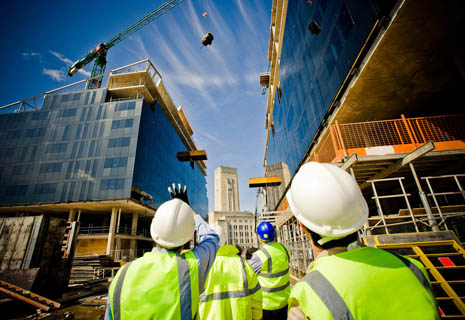
Erection of Primary Framing
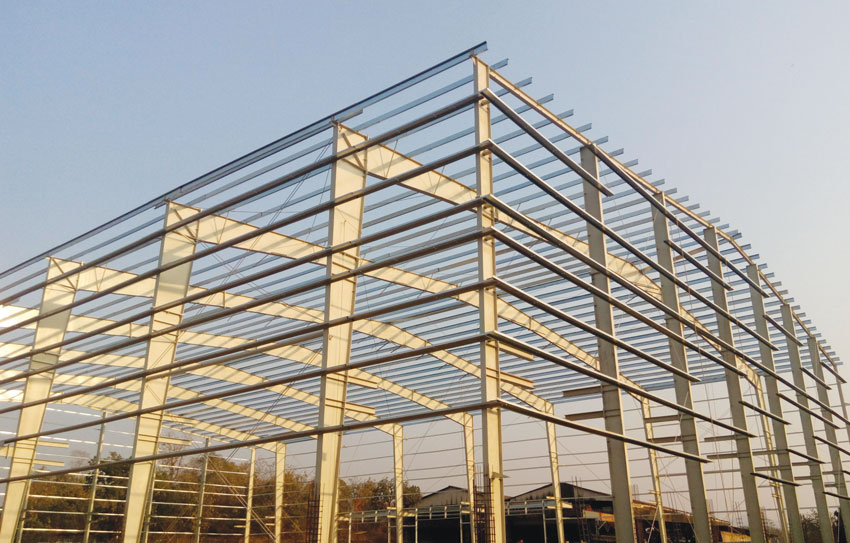
Erect Columns: Lift and place the columns onto the foundation. Secure columns temporarily with bracing to prevent movement. Align columns using plumb-bobs or laser levels. Rafter Installation: Connect rafters to columns using bolted connections. Tighten bolts partially during alignment; final tightening will be done later. Bracing Installation: Install roof and wall bracing to stabilize the structure temporarily. Use diagonal rods or cables for bracing as per design specifications.
Erection Plan and Layout
Erection Sequence Plan: Develop an erection sequence to ensure efficient and safe assembly. Typically, start with main frames, followed by secondary members and cladding. Marking Layout: Mark the column locations and building grid lines on the foundation using the erection drawings.
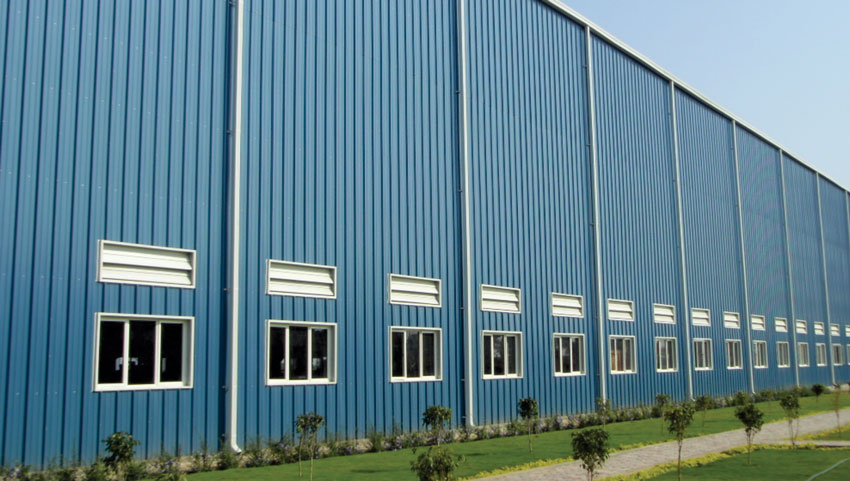
Erection of Secondary Framing
Secondary members include purlins, girts, and eave struts, which support the roof and walls. Install Purlins and Girts: Place roof purlins on rafters and wall girts on columns. Secure them using bolts or clamps. Fix Eave Struts: Install eave struts along the roof edges to support overhangs.

Roof and Wall Panel Installation
Roof Panels: Place and fix roof panels starting from one end of the building. Overlap panels as per design to ensure weatherproofing. Use screws with washers to secure panels to purlins. Wall Panels: Install wall panels from the bottom up, ensuring proper alignment and overlapping. Secure panels to girts using bolts or screws. Openings and Accessories: Install frames for doors, windows, skylights, and ventilators.
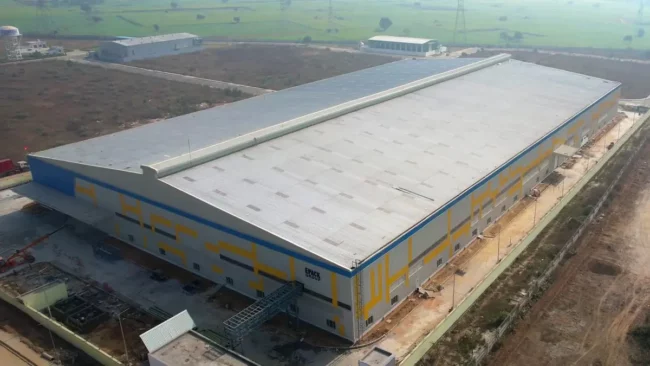
Installation of Accessories
Fix Gutters and Downspouts: Install gutters along the roof edges and downspouts for water drainage. Install Insulation: If required, fix insulation materials under roof and wall panels. Attach Doors, Windows, and Louvers: Secure doors, windows, and ventilators as per design specifications.
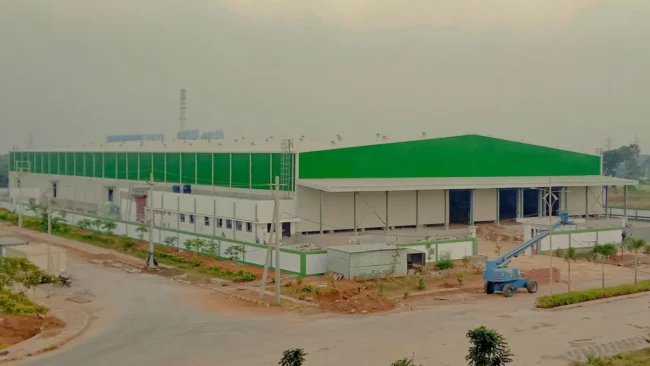
Alignment and Tightening
Final Alignment: Check the alignment of the entire structure, including columns, beams, and panels. Verify dimensions, verticality, and grid spacing as per erection drawings. Bolt Tightening: Tighten all bolts to the specified torque using torque wrenches. Conduct a final inspection of connections to ensure structural integrity.
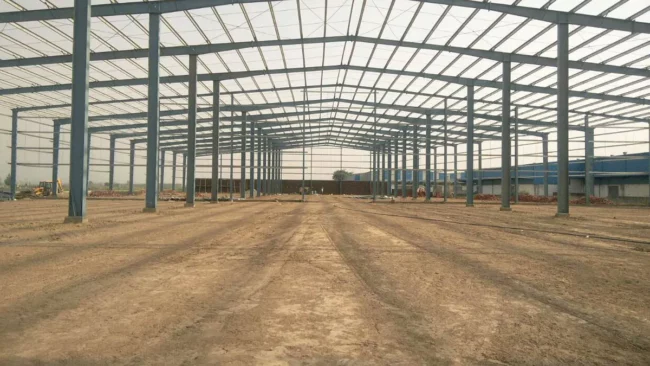
Final Inspection and Handover
Inspection: Conduct a thorough inspection of the completed structure, checking for defects or misalignments. Verify that the building meets design specifications and quality standards. Handover: Provide the client with as-built drawings, warranties, and maintenance guidelines.
Climate-Resilient Structures
Adaptation to Extreme Weather: PEBs will be designed to withstand climate challenges such as hurricanes, floods, and earthquakes. Weatherproof Materials: Use of corrosion-resistant coatings, insulated panels, and waterproof roofing ensures durability.
Collaborative Supply Chains
Streamlined Logistics: Integrated supply chain systems enable real-time tracking of materials and components. Global Partnerships: Cross-border collaborations between manufacturers, designers, and contractors will meet growing international demand.